Laundry guides for London businesses and homes
Practical help with linen, towels, stains and fabric care, from changeover checklists to keeping chef whites white.
For Airbnb hosts

Choosing bed linen that survives a short let
Linen in a busy let is washed far more often than at home. Here is what holds up, what wears out, and how to buy a stock that still looks good after a year of changeovers.

Linen hire or your own sets: which suits a short let?
Two ways to keep beds made between guests, and the questions that tell you which one fits your listing, your budget and the amount of control you want over what guests sleep in.
Stains on short-let linen: a host’s field guide
The marks guests leave behind, what each one is made of, and what to do in the minutes after check-out so it actually comes out. A field guide for hosts and the cleaners who find the stains first.
The Airbnb linen changeover checklist
Everything that has to happen to the sheets and towels between one guest leaving and the next arriving, in the order it should happen, written for London hosts and the cleaners who work for them.
For hotels

Counting linen in and out: stopping quiet losses
Linen disappears a pillowcase at a time. A five-minute count each collection keeps it where it belongs, settles arguments with the laundry before they start and tells you exactly when to reorder.
Hotel towel care: softness, colour and lifespan
Guests notice towels before almost anything else in a bathroom. A few habits keep them fluffy rather than scratchy, absorbent rather than slick, and in service for far longer than most hotels manage.
Keeping white hotel sheets white
White linen looks crisp for years if it is washed and stored the right way, and tired in months if it is not. This guide explains where the grey and yellow come from, and the habits that keep whites bright.

Linen par levels for small hotels and guest houses
“Par” is the number of sets you own per bed. Get it right and housekeeping never waits for clean sheets; get it wrong and you either run out on a busy Saturday or pay for linen that sits on a shelf.
For restaurants
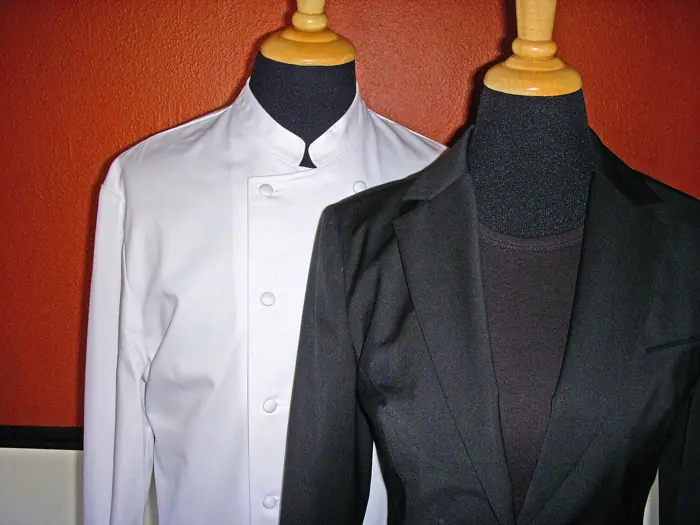
Chef whites: keeping them white, crisp and safe
Chef whites are a uniform and a working tool. Clean, pressed whites matter to diners who glimpse the pass, to inspectors who walk the kitchen and to the cooks wearing them through a twelve-hour shift.

Getting grease and red wine out of table linen
Table linen takes the worst of every service. What staff do with a stained cloth before it leaves the dining room decides whether it comes back white, and how long your linen budget lasts.

How much linen does a restaurant need?
Running out of napkins on a Saturday night is avoidable. A short calculation tells you what to keep on the shelf, what to order and how to adjust as covers grow or the laundry schedule changes.
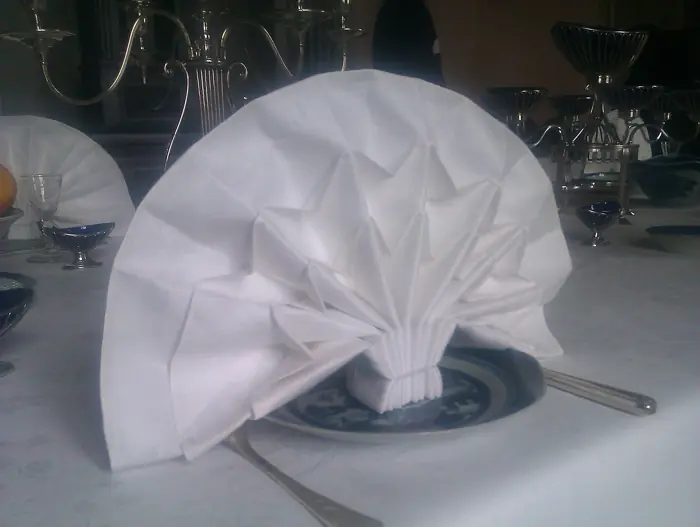
Napkins and tablecloths: folding, storing and stocking
Clean table linen is only half the job. How it is stored and handled between delivery and the table decides how it looks to the guest, and how long each cloth and napkin stays in service.
For cafés

Café aprons: choosing, caring for and replacing them
Aprons are part of how a café looks. A few choices at buying time save a lot of washing headaches later, and a simple routine keeps every barista looking sharp from the first coffee to the last.

Coffee, milk and syrup: getting café aprons clean
A barista apron takes splashes of espresso, steamed milk and caramel all day. Each one needs a slightly different approach, and what happens at the end of the shift matters as much as the wash.
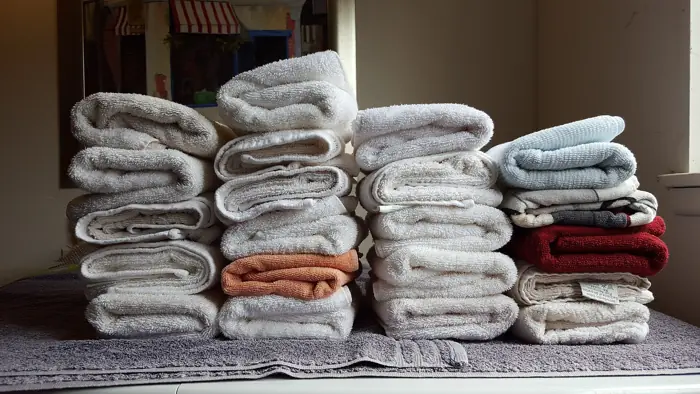
Tea towels and cloths: hygiene in a small kitchen
Cloths spread bacteria around a kitchen faster than almost anything else if they are used for the wrong job or left damp. A simple system for separating, changing, washing and drying them is one of the cheapest food safety steps a café can take.
For gyms and studios
How many towels does a gym or studio need?
Too few towels and members go without; too many and money sits on a shelf. The right number comes from your own figures: visits, towels per visit, and how long towels spend away being washed.

Washing yoga blankets, mat towels and hand wraps
Studio kit is used close to the face and hands, so members care about it more than they say. This guide covers what can be washed, what should only be wiped, and how to keep shared props fresh without wearing them out.
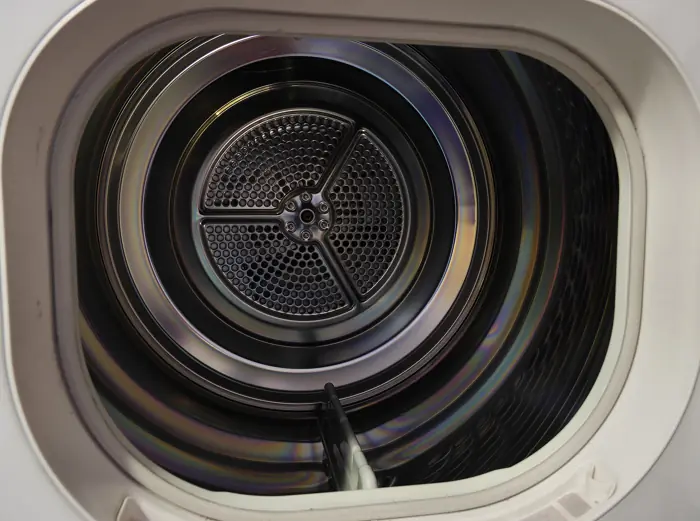
Why gym towels smell, and how to stop it
Members notice a musty towel before they notice new equipment. The smell is almost always fixable, and it usually starts long before the towel reaches the wash.
For spas and salons

Couch covers and face-cradle covers: treatment-room hygiene
Clients notice a fresh couch the moment they lie down. Covers that are changed and washed properly are part of the treatment, and part of the trust clients place in you.

Getting massage oil out of spa towels
Oil is the treatment room’s best friend and its towels’ worst enemy. Left alone, it turns soft cotton stiff, grey and stale, and it brings a fire risk many spas do not know about.

Hair dye, bleach and product on salon towels
Colour work and towels do not mix well. The trick is accepting what is permanent, protecting everything else, and keeping the towels clients feel at the basin soft and clean.

Keeping spa robes soft and fluffy
A robe is the first thing a spa guest touches. Rough, flat towelling undoes the welcome before the treatment begins, while a soft, warm robe sets the tone for the whole visit.
Wash & fold

Drying washing in a London flat without the damp
In a flat with no garden and no dryer, a full clothes horse can mean wet windows and musty corners for days. A few habits keep the washing dry and the flat healthy.
Getting your laundry ready for collection
Five minutes before the driver arrives saves lost socks, ruined silk and awkward phone calls. Here is how to prepare a laundry bag so everything comes back the way you want it.
How often to wash bath towels, and why they go hard
Towels feel clean because they dry you. In practice they need washing more often than most people think, and the way they are washed decides whether they stay soft or turn into sandpaper.
How to sort laundry so nothing gets ruined
Most washing-machine disasters happen before the machine is switched on, at the sorting stage. Ten minutes with the basket saves pink shirts, shrunken jumpers and fluff-covered trousers.
Washing temperatures explained: 20, 30, 40 or 60?
The number on the dial is the most important choice in a wash. Here is what each setting is really for, what it costs your clothes and your energy bill, and how to pick the right one every time.
Ironing
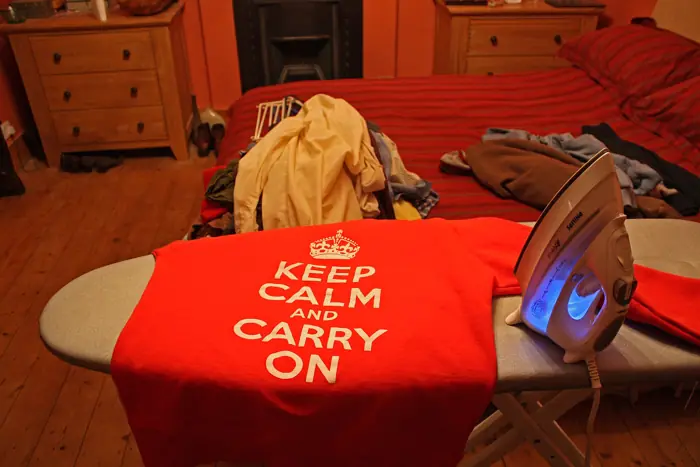
How to iron a shirt in five minutes
Ironing a shirt well is a routine, not a talent. Follow the same order every time and it takes minutes, and the shirt looks sharper for longer.
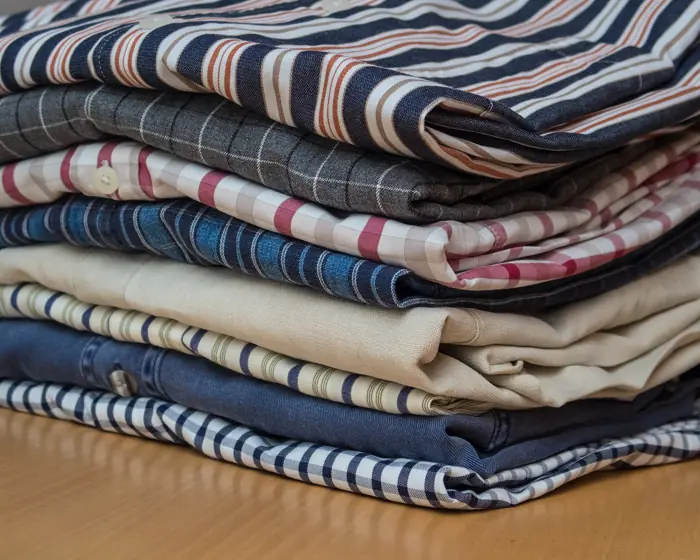
Ironing linen, silk, wool and synthetics without damage
Cotton forgives almost anything. Other fabrics do not, and the wrong heat ruins them in seconds. This guide goes fabric by fabric, so you know exactly how to press each one safely.
Dry cleaning
Caring for wool coats and suits between cleans
Good tailoring needs less dry cleaning than most people think, and more brushing. A few minutes of care after each wear keeps a coat or suit sharp for years.
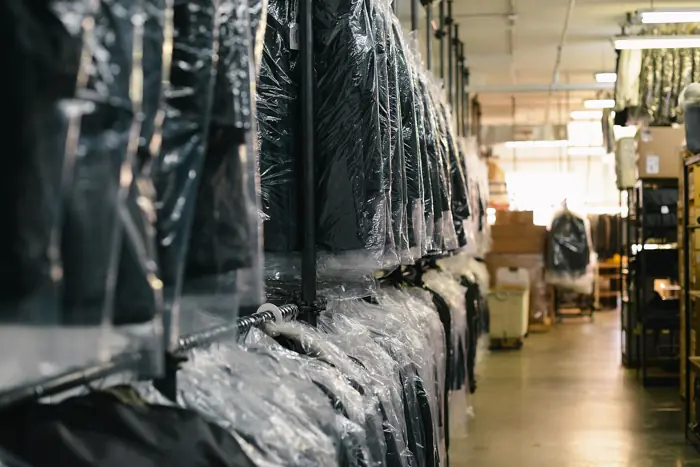
Dry clean or wash? How to tell
Dry cleaning is not “cleaning without liquid”. Knowing what it is makes it easier to know when you need it, when washing is fine and when either would be a mistake.
Wedding and evening dress care after the big night
A special dress usually comes home with marks from the night. What happens in the next few weeks decides how it looks in years, whether it is kept, passed on, altered or sold.
Bedding & duvets
Feather or synthetic: caring for each kind of duvet
Feather and synthetic duvets look alike in a cover but behave very differently in water, in storage and over the years. Knowing which you have tells you how to look after it.
How often to wash sheets, duvets and pillows
Bedding absorbs more than most people like to think about. A simple schedule keeps the bed fresh without endless washing, and a few habits make each wash count.
How to wash a duvet (and when not to)
A duvet is the biggest thing most people ever try to wash, and the hardest to dry. Here is how to do it without a lumpy, musty result, and how to tell when it is better left to a laundry.
Curtains

Caring for blackout, thermal and lined curtains
Lined and coated curtains are heavier, warmer and darker, and less forgiving when they are cleaned the wrong way. A little understanding of what is behind the face fabric goes a long way.
How to measure curtains for cleaning
Curtain cleaning is usually priced by area. Measuring takes five minutes per window and gives you an accurate price before anything leaves the house, along with a record that helps the curtains come back exactly as they went.
Taking down and rehanging curtains without the stress
The cleaning is the easy part; the ladder is where things go wrong. A little order makes both ends painless, and a few tricks get clean curtains hanging as beautifully as they did before.
Shirts
Collar rings and underarm stains on shirts
The collar and underarms are where a shirt shows its age first. Both marks are preventable if you know where they come from, and many can be lifted if they are caught early.
Storing, folding and packing shirts so they stay crisp
A freshly pressed shirt can be ruined by an overcrowded wardrobe. How you store it matters as much as how it is washed, and a few simple habits keep shirts crisp until the moment you put them on.
Tell us what you wash. We’ll send a price.
No contract to start. Your message goes straight to us.
- 1We read what you need
- 2We reply with a price and a pickup day
- 3We come and collect
Hand us the bag.
We’ll handle the rest.
Busy kitchen, full hotel, or just a full basket at home, anywhere in London.