01Why sorting matters
Everybody has a laundry horror story. The red sock that turned a load of white shirts pink. The wool jumper that came out sized for a child. The black trousers covered in white fluff from a towel. The silk blouse that went in with the jeans and came out looking like a rag. Almost all of these happen for the same reason: things that should have been washed apart were washed together.
Sorting is the cheapest and simplest way to protect your clothes. It takes a few minutes, needs no special equipment and saves money on replacements. It also makes every wash work better: whites come out whiter when they are washed only with whites, dark clothes stay dark for longer, and delicates last for years instead of months.
The good news is that sorting is not complicated. There are four questions to ask about each item: what colour is it, what is it made of, how dirty is it, and what does the care label allow? This guide walks through each one, then shows how to set up a simple sorting system that works in a small London flat, a shared house or a busy family home.
The four questions
- Colour: white, light, dark or bright?
- Fabric: everyday cotton, synthetic, delicate, wool, sportswear?
- Soil: lightly worn or heavily dirty?
- Care: what temperature, cycle and drying does the label allow?
02Sorting by colour
Colour is the first and most important sort, because dye can move from one item to another in the wash, and once it has, it is hard to undo.
| Pile | What goes in it | Why |
|---|---|---|
| Whites | White shirts, sheets, towels, underwear, socks | Keeps them bright; no dye to pick up |
| Lights | Pastels, light greys, beige, cream | Can pick up dye from darker items |
| Darks | Black, navy, dark grey, brown, dark green | Can release dye; picks up lint |
| Brights | Red, orange, hot pink, bright blue | Most likely to bleed, especially when new |
| Denim | Jeans, denim jackets | Indigo bleeds for many washes |
Whites on their own
White items look best washed only with other whites. Even pale colours can leave a faint tint over time, and whites washed with mixed loads gradually turn grey.
New items
New coloured items, especially reds, dark blues and black, can release a lot of dye in their first washes. Wash them separately, or with very similar colours, for the first few washes.
Denim
Jeans release indigo dye for many washes. Wash them inside out, with other denim or dark items, and never with whites or lights.
Patterned and multi-coloured items
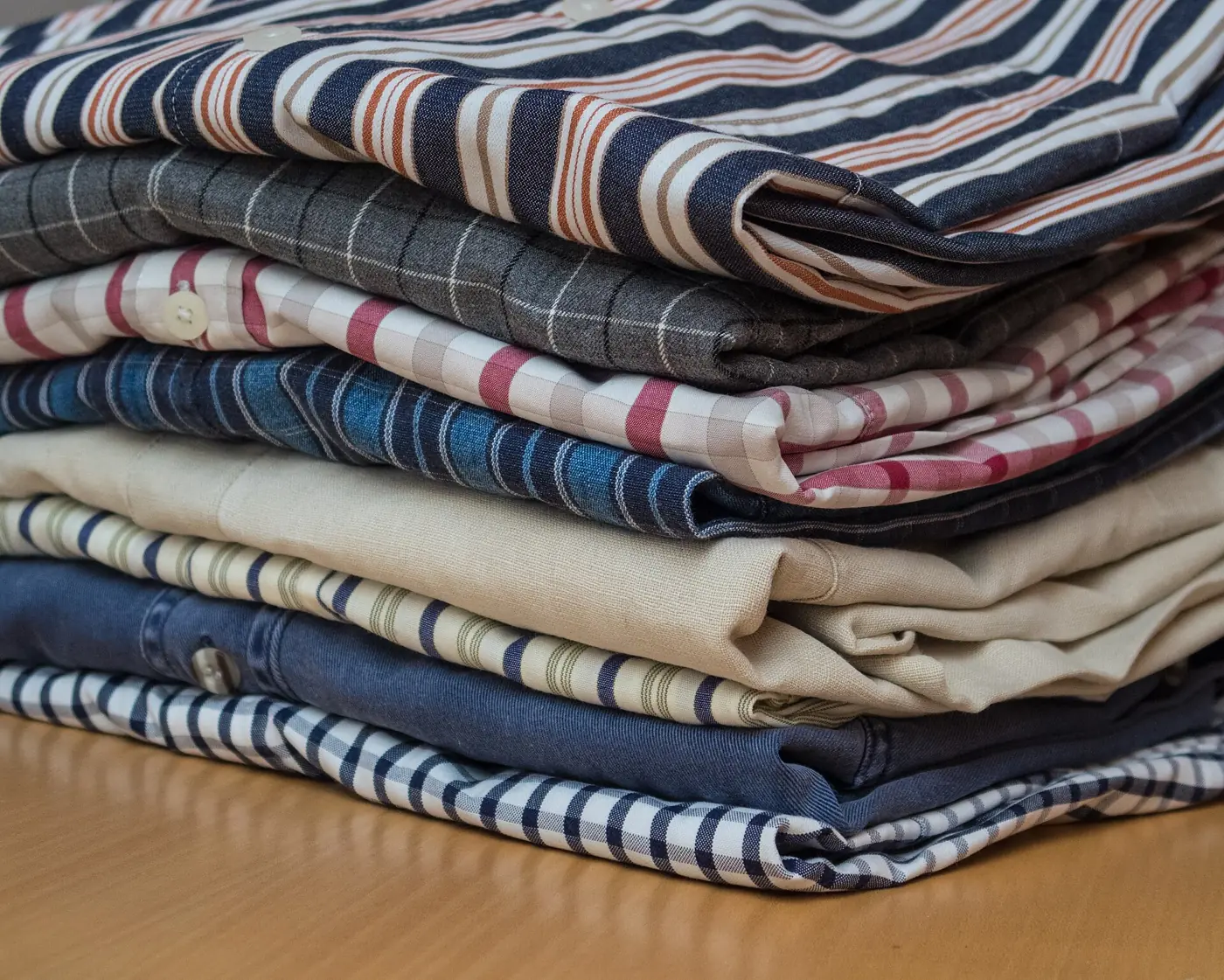
Sort patterned items by their darkest colour. A white shirt with a navy stripe goes with darks or lights, not whites.
03Lint givers and lint takers
Some fabrics shed fluff; others attract it. Keeping them apart avoids the dreaded fluff-covered trousers.
| Lint givers | Lint takers |
|---|---|
| Towels | Dark trousers and jeans |
| Fleece | Corduroy |
| Chenille | Velvet |
| New cotton jumpers | Dark synthetic fabrics |
| Flannel | Black clothing of any kind |
Wash towels and fleece apart from dark clothes, especially corduroy, velvet and smooth dark synthetics.
04Sorting by how dirty things are
A lightly worn shirt and a pair of muddy football shorts do not belong in the same wash. Heavily soiled items can spread dirt to cleaner ones and may need a different cycle.
Heavily soiled
Work clothes, sports kit with mud, gardening clothes, children's play clothes and anything very sweaty. These may need pre-treatment, a longer cycle or a pre-wash.
Lightly worn
Shirts worn for a day in the office, pyjamas, lightly worn tops. These need a normal or shorter cycle.
Kitchen and cleaning cloths
Tea towels, dish cloths and cleaning cloths should be washed separately from clothes, ideally on a hot wash.
05Reading care labels
The care label tells you the limits for each item. Learn the main symbols and sorting becomes easy.
| Symbol | Meaning |
|---|---|
| Tub with a number | Maximum wash temperature in °C |
| Tub with one line underneath | Gentle synthetic cycle |
| Tub with two lines underneath | Very gentle, wool or delicate cycle |
| Tub with a hand | Hand wash only |
| Crossed-out tub | Do not wash |
| Triangle | Bleach allowed; crossed out means no bleach |
| Square with a circle | Tumble drying; dots show heat level |
| Crossed-out square with circle | Do not tumble dry |
| Iron with dots | Ironing heat level |
| Circle | Dry cleaning |
The lowest temperature wins
When items with different labels go in the same load, wash at the lowest temperature shown on any of them.
06Preparing items before the wash
Sorting is also the moment to get each item ready.
- Empty all pockets: tissues, pens, coins, receipts, lip balm.
- Close zips, hooks and hook-and-loop fastenings so they do not snag other items.
- Unbutton shirt buttons and cuffs, which reduces stress on buttonholes.
- Turn dark items, jeans and printed T-shirts inside out.
- Put bras, tights and delicate items in mesh bags.
- Shake out sand, grass and pet hair.
- Check for stains and treat them before washing.
Tissues
A single tissue in a pocket can cover a whole load in white flakes. Check every pocket, every time.
07Spotting stains while sorting
Sorting is the best time to spot stains, because heat from the wash and dryer can set them permanently.
- Look over each item in good light.
- Set aside anything with a stain.
- Pre-treat stains according to type before washing.
- Check again after washing; do not tumble dry an item if the stain is still there.
08Setting up a sorting system
The easiest way to sort is to sort as you go, so the basket is already divided when wash day comes.
Multiple baskets or a divided hamper
A hamper with two or three sections, such as whites, darks and colours, lets everyone sort as they undress. Larger households might add a section for delicates or towels.
Small flats
In a small London flat, a slim divided hamper or a set of hanging laundry bags behind a door takes very little space.
Shared houses
In shared houses, each person usually sorts their own laundry. A shared basket for towels and kitchen cloths helps keep them separate.
Families
Children's clothes, school uniforms and sports kits can go in their own bags. Teach children to empty pockets and turn clothes the right way out.
09Building a sensible load
After sorting, you may have piles too small to fill a machine. A few rules help combine them sensibly.
- Combine similar colours and fabrics, washing at the lowest temperature on any label.
- Light synthetics can go with cottons of the same colour on a cooler cycle.
- Never mix whites with darks or brights.
- Never mix wool or delicates with heavy cotton or jeans.
- Keep towels apart from dark clothes because of lint.
Do not overfill
A machine packed to the door cannot wash or rinse properly. Leave room for clothes to move.
10Items that need special attention
Some items do not fit neatly into any pile and need thought.
Bras and lingerie
Underwired bras can lose their shape or have wires work loose in a machine. Fasten the hooks and wash in a mesh bag on a gentle cycle, or hand wash. Lace and silk lingerie need the gentlest care.
Tights and stockings
Tights snag easily on zips and buttons. Wash them in a mesh bag, on a cool, gentle cycle.
Baby clothes
Babies' skin can be sensitive. Many parents wash baby clothes separately with a gentle, fragrance-free detergent. Heavily soiled items need prompt rinsing and treatment.
Swimwear
Chlorine and salt water damage swimwear over time. Rinse swimwear in cool water after use and wash gently, by hand or in a mesh bag on a cool cycle. Avoid the dryer.
Pillows and cushion covers
Cushion covers with zips should be zipped closed and turned inside out. Pillows themselves need their own care; check the label.
Shoes and trainers
Some canvas trainers can be machine washed on a cool cycle in a bag; leather and suede shoes cannot. Never wash shoes with delicate clothes.
Items with embellishments
Beads, sequins, appliqué and embroidery can catch and pull. Turn inside out, use a mesh bag and a gentle cycle, or hand wash.
11Sheets, towels and household textiles
Household textiles have their own sorting rules.
- Wash white sheets with other white bedding, warm to hot as the label allows.
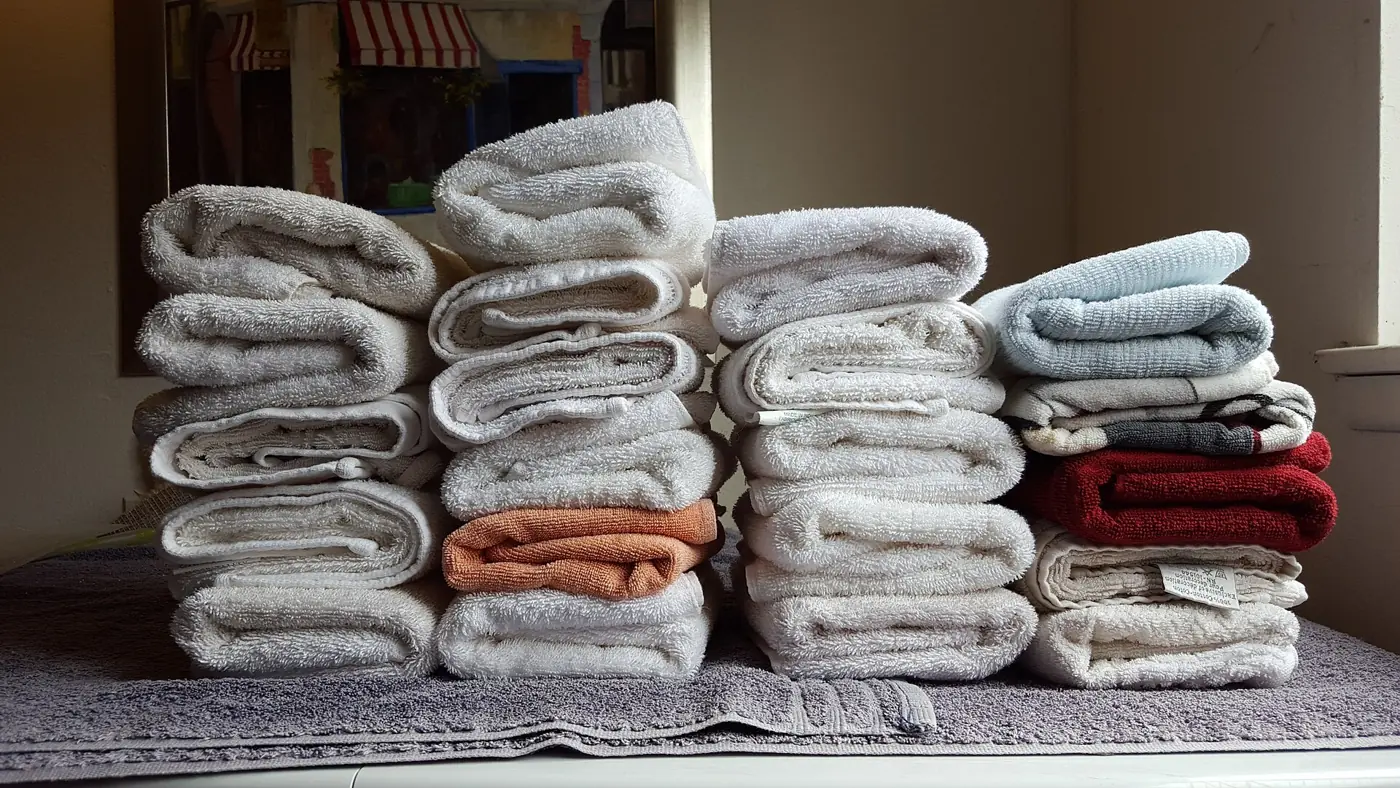
- Wash towels in their own load, apart from clothes, to avoid lint transfer.
- Wash coloured bedding with similar colours.
- Wash tea towels and kitchen cloths separately from bath towels.
- Wash bath mats separately, especially those with rubber backing.
Big items
Duvets, pillows and large blankets usually need a load to themselves, and many are too large for a home machine to wash and dry properly.
12Colour catcher sheets
Colour catcher sheets are added to a wash to absorb loose dye from the water. They can help reduce the risk of colour runs in mixed loads, but they are not a guarantee. A very strong bleeder, such as a new red item, can still tint a load. Use them as an extra safety net, not as a reason to skip sorting.
13Common disasters and what to do
A colour run
Something coloured got into a white or light load. Do not dry the items. Rewash promptly, and for valuable or heavily affected items, consider a laundry that can treat dye transfer.
A shrunken jumper
Wool or some cotton knits shrunk in a hot wash or dryer. Felted wool cannot be restored to its original size. The lesson is to wash wool on a wool cycle or by hand, and never tumble dry it unless the label allows.
Tissue everywhere
Shake out every item outside, then put the load through a rinse or short wash. Clean the machine's filter and drum.
A pen burst
Ink can spread through a whole load. Do not dry the affected items. Treat them promptly, and seek professional help for valuable items.
Fluff on dark clothes
Use a lint roller or brush. Next time, keep towels and fleece apart from dark clothes.
14Sorting for drying
Sorting does not end when the wash finishes. Items that went in the same wash may need different drying.
- Separate items that cannot be tumble dried: wool, silk, many delicates, swimwear, items with rubber or elastic.
- Dry heavy items like towels and jeans apart from lightweight shirts, so the lighter items do not over-dry.
- Lay knitwear flat to dry so it keeps its shape.
- Hang shirts and dresses on hangers to reduce creases.
15Matching detergent to each pile
Sorting goes hand in hand with choosing the right detergent. Different piles benefit from different products.
Biological and non-biological
Biological detergents contain enzymes that break down protein and fat stains such as food, sweat and blood, and work well at lower temperatures. Non-biological detergents contain no enzymes; some people with sensitive skin prefer them. Wool and silk should not be washed with biological detergent, because the enzymes can attack the protein fibres.
Colour detergents
Detergents made for colours usually contain no bleaching agents and help reduce fading. They suit darks, brights and lights.
Detergents for whites
General or "white" detergents often contain bleaching agents and optical brighteners that help whites stay bright. They can fade colours, so keep them for whites.
Wool and delicate detergents
Gentle detergents made for wool and delicates clean without damaging fine fibres.
Liquid, powder or pods
Liquids dissolve well at low temperatures and are good for pre-treating stains. Powders often contain bleaching agents and suit whites. Pods are convenient but give a fixed dose, which can be too much for small loads and too little for large, dirty ones.
Dose
Follow the dosing guide for your water hardness, load size and soil level. London's water is hard in most areas, which usually means a slightly higher dose than for soft water.
16Choosing the right cycle for each pile
| Cycle | Best for | Notes |
|---|---|---|
| Cottons | Towels, sheets, sturdy cottons | Higher spin and agitation |
| Synthetics or easy care | Polyester, blends, shirts | Gentler, lower spin, fewer creases |
| Mixed | Combined loads of similar colour | A middle setting |
| Delicates | Fine fabrics, lingerie in mesh bags | Very gentle, low spin |
| Wool or hand wash | Machine-washable wool, delicate knits | Minimal agitation |
| Quick wash | Lightly worn items, small loads | Short; not for heavy soil |
| Eco | Everyday loads | Longer but uses less energy |
Spin speed
High spin removes more water, so drying is faster, but it can crease shirts and stress delicate fabrics. Use lower spin for shirts, synthetics and delicates.
17How often to wash common items
Sorting also means knowing what actually needs washing. Some items are washed far more often than they need to be; others far less.
| Item | Typical guide |
|---|---|
| Underwear and socks | After every wear |
| T-shirts and tops worn against skin | After one or two wears |
| Shirts | After one or two wears |
| Jeans | After several wears unless dirty |
| Jumpers worn over a top | After several wears |
| Pyjamas | After a few nights |
| Bath towels | After three or four uses |
| Sheets and pillowcases | Weekly |
| Gym kit | After every use |
| Coats and jackets | A few times a season, or as the label suggests |
These are general guides; anything visibly dirty, sweaty or smelly needs washing sooner.
18Pet hair and pet bedding
Pet hair clings to clothes and bedding, and it transfers easily in the wash.
- Shake out or brush off as much pet hair as possible before washing.
- Wash pet bedding and blankets separately from human laundry.
- Clean the machine filter after washing pet items.
- A rinse-only cycle for an empty machine after pet bedding helps remove leftover hair.
19Work clothes and uniforms
Work clothes often need sorting apart from everyday clothes.
Office shirts
Shirts need a gentle synthetic or easy-care cycle, low spin and hanging to dry to reduce ironing. Wash white shirts with other whites and pre-treat collars and cuffs.
Uniforms with logos
Printed or embroidered uniforms should be turned inside out and washed at the temperature on the label.
Hi-vis and protective clothing
High-visibility clothing loses its brightness with hot washes and harsh detergents, and reflective strips can crack in the dryer. Follow the label carefully.
Heavily soiled workwear
Clothes from building sites, workshops, gardens or kitchens can be very dirty, greasy or dusty. Wash them separately from other clothes and from household textiles.
20Gym kit and sportswear
Sportswear is often made from technical synthetics designed to wick sweat away. These fabrics need gentle treatment.
- Wash sportswear after every use; sweat left in fabric causes smells that become hard to remove.
- Wash cool, as the label allows.
- Skip fabric softener, which clogs the fabric's wicking ability.
- Turn items inside out.
- Air dry where possible; high dryer heat can damage stretch fibres.
- Do not leave sweaty kit in a gym bag before washing.
21When to hand wash
Some items are labelled hand wash only, and some are simply too precious to risk in a machine.
- Use cool or lukewarm water and a gentle detergent.
- Squeeze suds gently through the fabric; do not rub or wring.
- Rinse thoroughly in clean water of the same temperature.
- Press water out by rolling the item in a clean towel.
- Dry flat or on a hanger, away from direct heat.
Many modern machines have a hand-wash cycle that is gentle enough for items labelled hand wash. Check both the garment label and the machine manual.
22Items to keep out of the wash
Not everything belongs in a washing machine. Keep these aside when sorting:
- Items labelled dry clean only.
- Tailored suits and structured jackets.
- Many wool coats.
- Leather, suede and fur.
- Items with delicate beading or structured shapes, such as some evening wear.
When in doubt, check the label and, for valuable items, ask a professional before washing.
23A quick guide to common fabrics
Knowing what your clothes are made of makes sorting faster. The fabric is listed on the care label.
| Fabric | Typical care | Watch out for |
|---|---|---|
| Cotton | Warm wash; tumble dry on most labels | Shrinking in hot washes and dryers |
| Linen | Warm wash; dry on a hanger | Heavy creasing |
| Polyester | Cool to warm wash; low dryer heat | Holding oily stains and smells |
| Nylon | Cool wash; low heat | Picking up dye from other items |
| Viscose or rayon | Cool, gentle wash or hand wash | Shrinking and losing shape when wet |
| Elastane blends | Cool wash; avoid high heat | Losing stretch |
| Wool | Wool cycle or hand wash; dry flat | Shrinking and felting |
| Silk | Hand wash or dry clean | Water marks, loss of sheen |
| Acrylic | Cool wash; low heat | Pilling and stretching |
| Fleece | Cool wash; low heat | Shedding lint and pilling |
Blends
Many clothes are blends, such as polyester-cotton or wool with nylon. Follow the care label, which takes the most delicate fibre into account.
24Making the most of mesh bags
Mesh laundry bags are one of the cheapest and most useful sorting tools. Use them for bras, tights, socks, lingerie, delicate tops, baby socks and anything with straps that might tangle. They stop small items disappearing into the door seal, protect delicate fabrics from rubbing against heavier ones and keep pairs of socks together. Keep two or three sizes, and do not overfill them, or the clothes inside will not get clean.
25When a pile is too small for a load
After sorting, you often end up with a pile too small to justify a full wash: three white shirts, a single dark jumper, a couple of delicates. There are a few sensible ways to deal with it.
Wait a day or two until the pile grows, as long as the items are not sweaty or damp, which would make them smell. Combine it with the closest similar pile, washing at the lower temperature and on the gentler cycle of the two. Hand wash a few small delicate items in the sink instead of running a machine. Or use a half-load or quick-wash setting if your machine has one, with a reduced detergent dose. What you should avoid is throwing the small pile into whatever load is running, especially if that means whites with darks or wool with towels.
How ArkLaundry helps
Our wash & fold sorts every bag by colour and fabric and washes to the labels. It is £18.50 for up to 6 kg, including VAT.