01Why temperature matters
Every wash is a balance between four things: getting clothes clean, keeping them looking good, keeping them hygienic and using as little energy as possible. Temperature affects all four. Warmer water helps detergent dissolve and work, loosens grease and body oils, and reduces bacteria. It also fades colours faster, shrinks some fabrics, sets some stains and costs more to heat.
For years, many people washed most things at 40°C out of habit, and older advice often said hotter was always cleaner. Modern detergents have changed that. Many now work well at 30°C or even 20°C for lightly worn clothes, while higher temperatures are still useful for towels, bedding, very dirty items and times when hygiene matters most.
This guide explains what each common setting is good for, what it does to different fabrics, how temperature interacts with stains and detergents, and how to choose quickly on wash day.
The care label is the limit
Whatever this guide says, the care label on each item sets the maximum. The number in the washtub symbol is the highest temperature the maker says the item can take. Washing below it is usually fine; washing above it risks shrinking, fading or damage.
02Cold and 20°C washes
Cold and 20°C washes have become popular because they save energy and are gentle on fabrics.
Good for
- Lightly worn clothes that just need freshening.
- Dark and bright colours, which keep their colour longer.
- Delicates and synthetics.
- Items prone to shrinking.
Limits
Cold water is less effective at removing body oils, grease and heavy soil. Some detergents work less well in very cold water. If clothes come out still smelling of sweat, or grey patches start to appear, the wash may be too cool for that item.
Detergent choice
Detergents designed for cold washing, often liquid and often biological, work better at low temperatures. Powders may not dissolve fully in cold water.
0330°C
30°C is the everyday setting for many households and works well for most clothes.
Good for
- Everyday tops, shirts, trousers and dresses.
- Most colours and synthetics.
- Lightly to moderately worn clothes.
Limits
30°C may not fully remove oily stains, sweat build-up in sportswear or heavy dirt. Whites washed at 30°C for long periods may gradually grey or yellow.
Tip
Pre-treat stains and collars before a 30°C wash, so the lower temperature has less to do.
0440°C
40°C is the traditional all-rounder and still a good choice for many loads.
Good for
- Cotton clothes with moderate soil.
- Mixed loads of similar colour.
- Shirts and blouses that need a bit more cleaning power.
- Children's everyday clothes.
Limits
Colours fade a little faster at 40°C than at 30°C. Some synthetics and blends are labelled for 30°C maximum.
0560°C
60°C is the setting most often recommended when hygiene matters.
Good for
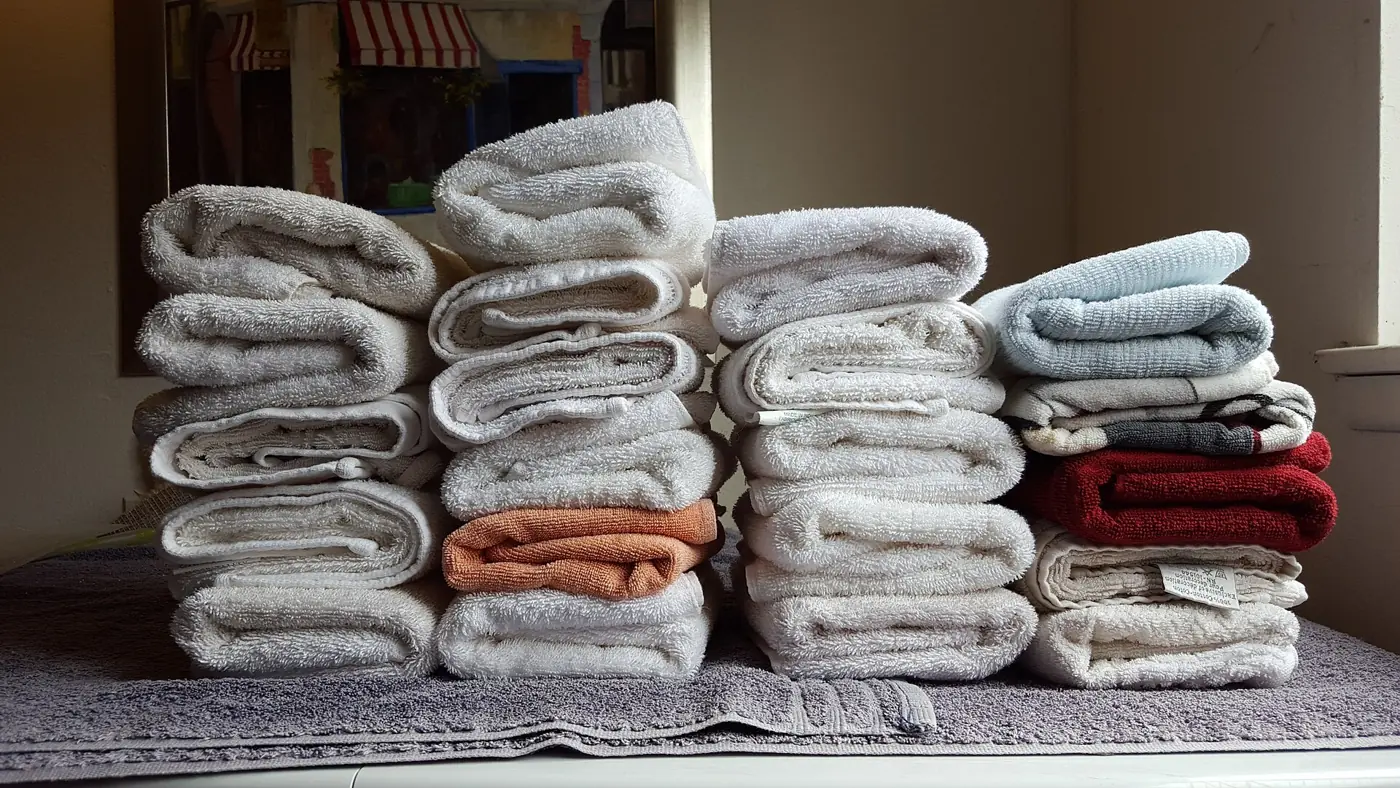
- Bath towels and hand towels.
- Bed linen, especially white cotton.
- Underwear and socks, if labels allow.
- Tea towels and kitchen cloths.
- Items used by someone who has been ill.
- Bedding for people with dust mite allergies, often recommended at 60°C.
Limits
Only use 60°C if the care label allows it. Many coloured items, synthetics and blends cannot take it. It also uses more energy than lower settings.
0690°C
Very few household items need a 90°C wash, and many cannot take it. Some heavily soiled white cotton, such as certain kitchen cloths or very dirty work items, may be labelled for it. Most people rarely, if ever, need this setting.
07What temperature does to fabrics
| Fabric | Typical maximum | What heat does |
|---|---|---|
| Cotton | 40–60°C, sometimes higher for whites | Can shrink when new or very hot |
| Linen | 40–60°C | Creases more; can shrink |
| Polyester | 30–40°C | Can hold creases set by heat |
| Nylon | 30–40°C | Can yellow or pick up dye |
| Viscose | 30°C or hand wash | Shrinks and weakens when hot and wet |
| Elastane blends | 30–40°C | Loses stretch with heat |
| Wool | Wool cycle, usually 30°C or cold | Shrinks and felts with heat and agitation |
| Silk | Hand wash, cold to lukewarm | Loses sheen; water marks |
Shrinking
Heat combined with agitation causes many natural fibres to shrink. Cotton often shrinks a little in its first hot washes; wool can shrink dramatically and permanently.
Fading
Dyes fade faster at higher temperatures. Darks and brights keep their colour longer at 30°C or below.
Stretch
Elastane, used in jeans, leggings and sportswear, loses stretch with heat in both washing and drying.
08Temperature and stains
Different stains react differently to heat. Getting this wrong can set a stain permanently.
| Stain type | Examples | Temperature advice |
|---|---|---|
| Protein | Blood, egg, milk, sweat | Cold first; heat sets them |
| Tannin | Tea, coffee, wine, fruit | Avoid hot until treated |
| Oil and grease | Food oil, make-up, body oils | Warmer helps, with detergent |
| Dye | Ink, hair dye, fake tan | Treat first; heat can set |
| Sugar | Syrups, juice | Wash out fully before drying |
Treat before the wash
Pre-treat stains and check them after washing. Never tumble dry an item if a stain is still visible; dryer heat is often what makes a stain permanent.
09Temperature and hygiene
Higher temperatures reduce bacteria and other microorganisms in laundry. That matters most for items that touch the body closely or carry germs.
When to wash hotter
- Towels, especially if they have started to smell.
- Bedding, especially for anyone unwell or with allergies.
- Underwear, if the label allows.
- Kitchen cloths and tea towels.
- Clothing and bedding of someone who has had a stomach bug or infection.
When lower is fine
Most everyday clothes that are lightly worn do not need high temperatures. Modern detergents remove everyday soil and odours well at 30°C.
Drying matters too
Full drying, in a dryer or in the air, also helps hygiene. Damp laundry left sitting allows bacteria to grow again.
10Temperature and energy
Most of the energy a washing machine uses goes into heating water. Lowering the temperature is one of the simplest ways to cut the energy each wash uses.
- Washing at 30°C instead of 40°C uses noticeably less energy.
- Cold or 20°C washes use less again.
- Save 60°C for towels, bedding and items where hygiene matters.
- Full loads use energy more efficiently than half loads.
Eco programmes
Many machines have eco programmes that wash at lower temperatures for longer. They save energy by heating less water, even though the cycle takes more time.
11Choosing on wash day
Ask three questions for each load:
- What is the lowest maximum temperature on any label in the load?
- How dirty are the items?
- Does hygiene matter especially for these items?
Then choose the lowest temperature that will get the load clean, within the label limit. Everyday clothes: 30°C. Dirtier cottons: 40°C. Towels and bedding: 60°C if labels allow. Delicates and wool: cold or the wool cycle.
12What the dial really means
The number you choose on the dial is a target, not always the exact temperature the water reaches throughout the cycle.
Eco and quick programmes
Eco programmes often wash at a lower actual temperature for longer, relying on time and detergent rather than heat. Quick programmes may not reach the full temperature before the cycle ends. If hygiene matters for a particular load, choose a full-length programme at the right temperature rather than a quick or eco one.
Cold fill
Most modern machines heat water inside the drum. If the heating element is coated with limescale, which is common in London's hard water, heating can be slower and less effective.
Load size
A very full machine takes longer to heat and the water may not circulate evenly. Loading sensibly helps the whole load reach temperature.
13Detergents and temperature
Detergent and temperature work together.
Low-temperature detergents
Many liquid detergents, especially biological ones, contain enzymes that work at low temperatures, breaking down protein and fat stains without needing hot water.
Powders
Powders often contain bleaching agents that become more effective at higher temperatures, which is why they suit whites washed warm. In cold water, some powders may not dissolve fully and can leave residue.
Wool and delicate detergents
Gentle detergents for wool and silk are designed for cool washes.
Dosing
Hard water and heavy soil both call for a slightly higher dose; soft water and light soil for less. Follow the pack guide.
14Whites and temperature
White cottons are the items that benefit most from warmer washes, because body oils left in the fabric gradually turn them grey or yellow.
- Wash white cotton shirts, underwear, towels and sheets at 40–60°C if labels allow.
- Pre-treat collars, cuffs and underarms.
- Wash whites only with whites.
- If whites have greyed after months of cool washing, a few washes at a higher temperature, within the label, often brighten them.
15Darks and colours
Darks and brights look best when washed cool.
- Wash dark and bright colours at 30°C or below.
- Turn them inside out.
- Use a colour detergent without bleaching agents.
- Wash new dark or bright items separately for the first few washes.
16When someone has been ill
When someone in the household has had a stomach bug, a cold, flu or another infection, laundry deserves extra care.
- Handle soiled items carefully, ideally with gloves, and do not shake them out.
- Wash their bedding, towels and clothes separately.
- Use the highest temperature the labels allow, often 60°C for bedding and towels.
- Dry fully.
- Wash your hands after handling soiled laundry.
- Clean the machine afterwards with an empty hot or maintenance cycle if the manual suggests it.
For items that cannot be washed hot, a laundry sanitiser product can help; follow the instructions.
17Babies and young children
Baby clothes, bibs, muslins and cot sheets often get soiled with milk, food and nappy leaks.
- Rinse protein stains such as milk and nappy leaks in cold water first.
- Wash cot sheets, muslins and bibs warm to hot, as labels allow.
- Many parents prefer a non-biological or fragrance-free detergent for babies.
- Wash new baby clothes once before use.
18Temperature guide by item
This table gives a starting point for common household items. Always check the label first; it overrides any general guide.
| Item | Usual setting | Notes |
|---|---|---|
| Everyday T-shirts and tops | 30°C | 40°C if sweaty or for white cotton |
| Office shirts | 30–40°C | Pre-treat collars; synthetic cycle |
| Jeans | 30°C, inside out | Keeps colour; preserves stretch |
| Underwear | 40–60°C | As labels allow |
| Socks | 40°C | 60°C for white cotton if allowed |
| Gym kit | 30°C | No softener; wash promptly |
| Pyjamas | 30–40°C | Depends on fabric |
| Wool jumpers | Wool cycle or hand wash | Dry flat |
| Silk blouses | Hand wash or dry clean | Cool water |
| Bath towels | 60°C | If label allows; no softener |
| Sheets and pillowcases | 40–60°C | White cotton usually 60°C |
| Tea towels | 60°C | Wash separately from clothes |
| Baby muslins | 40–60°C | Rinse milk cold first |
| Swimwear | Hand wash cool | Rinse after use |
| Curtains | As label; often 30–40°C | Many need dry cleaning |
19Hand washing temperatures
Hand washing is usually done in cool to lukewarm water, which is kinder to delicate fibres and comfortable for your hands.
- Use water that feels cool to just warm.
- Rinse in water of a similar temperature; sudden changes can shock wool fibres.
- Use a gentle detergent made for hand washing or wool.
- Never use very hot water for wool or silk, even by hand.
20Drying temperatures matter too
Temperature does not stop at the wash. Dryer heat can shrink, fade and set stains just as wash temperature can.
| Dryer symbol | Meaning |
|---|---|
| Square with circle and one dot | Low heat |
| Square with circle and two dots | Normal heat |
| Crossed-out square with circle | Do not tumble dry |
- Dry delicates, synthetics and elastane on low heat or in the air.
- Towels and cotton sheets can usually take normal heat.
- Remove items promptly once dry; over-drying causes shrinkage and stiffness.
- Check that stains are gone before drying.
21Sportswear in more detail
Sportswear is a common source of confusion. It gets very sweaty, which suggests a hot wash, but the technical fabrics it is made from dislike heat.
The problem
Polyester and nylon sportswear holds on to body oils and the bacteria that feed on them. Washed too cool, it can develop a lasting smell. Washed too hot, it can lose shape, stretch and wicking properties.
The answer
- Wash promptly; do not leave sweaty kit in a bag.
- Wash at 30–40°C as the label allows.
- Use a detergent suited to sportswear or a biological detergent.
- Turn items inside out.
- Skip fabric softener.
- Air dry or tumble on low heat.
22Reading the washtub symbol
The washtub symbol on a care label carries the temperature limit and the cycle type.
- A number inside the tub is the maximum temperature in °C.
- Dots inside the tub are an older way of showing temperature: one dot cool, more dots hotter.
- One line under the tub means a gentler, synthetic cycle.
- Two lines under the tub mean a very gentle wool or delicate cycle.
- A hand in the tub means hand wash only.
- A cross through the tub means do not wash.
23A little science: why heat helps cleaning
Four things work together in every wash: chemistry from the detergent, heat from the water, movement from the drum and time. Washing experts sometimes describe these as a circle. If you reduce one, the others have to do more.
Lower the temperature, and you need a detergent that works well in cool water, a cycle that moves the clothes enough and enough time for the detergent to act. That is exactly how eco programmes work: cooler water, but longer cycles. Raise the temperature, and oils melt and loosen more easily, detergents dissolve faster and stains lift more quickly, so a shorter cycle may be enough.
Understanding this balance explains why a quick 20°C wash on a heavily soiled load disappoints: low heat, short time and perhaps too little detergent leave the chemistry with too much to do. It also explains why a long eco wash at 30°C can clean as well as a shorter wash at 40°C. You can trade heat for time, or time for heat, but you cannot remove both and expect the same result.
24Delicates and temperature
Delicates are where temperature mistakes do the most lasting damage.
- Silk: hand wash cool, or dry clean. Warm water can dull silk and cause water marks.
- Lace and lingerie: cool, gentle cycle in a mesh bag, or hand wash.
- Fine knits and cashmere: cool hand wash or wool cycle, dry flat.
- Embellished items: cool and gentle, inside out, often by hand.
- Viscose and rayon: cool and gentle; these fibres weaken when wet and warm.
If a delicate item has no label, treat it as hand wash cool, or ask a professional.
25Tea towels and kitchen cloths
Tea towels, dish cloths and cleaning cloths carry food residue, grease and bacteria from kitchen surfaces. They are among the household items that most benefit from a hot wash.
- Wash them separately from clothes and bath towels.
- Use 60°C or hotter if their labels allow.
- Use a full-length cycle rather than a quick wash.
- Dry them fully, and never leave damp cloths bundled up.
- Replace cloths that still smell after a hot wash.
Microfibre cleaning cloths are the exception: they usually need cooler washes and no softener, so check their labels.
26When there is no label
Labels get cut out, fade away or were never there, especially on older, handmade or vintage items. Without a label, you have to make an informed guess, and the safest guess is always the gentlest one.
Look at the fabric and feel it. Sturdy cotton or linen that has clearly been washed before can usually go at 30°C on a normal cycle. Anything that feels like wool, silk, viscose or a fine knit should be hand washed cool or taken to a professional. Anything with beads, sequins, lining, structure or padding is best left to a dry cleaner. Test colour fastness first by dampening a hidden seam with cool water and pressing it with a white cloth; if colour comes off, wash the item on its own. When in real doubt about a valued item, ask before washing, because heat damage cannot be undone.
27Troubleshooting by symptom
| Symptom | Possible cause | Try |
|---|---|---|
| Clothes still smell after washing | Too cool for the soil; damp drying | Slightly warmer wash; dry fully |
| Whites turning grey | Too cool; mixed with colours | Wash whites warmer and separately |
| Colours fading fast | Too hot; strong detergent | Wash at 30°C; colour detergent |
| Clothes shrinking | Too hot in wash or dryer | Follow label; lower heat |
| Stains set after washing | Hot water on protein stains; dried before checking | Treat cold first; check before drying |
| Towels smelling musty | Too cool; softener build-up | 60°C if allowed; skip softener |
| White residue on clothes | Powder not dissolving in cold water | Use liquid for cold washes |
28Temperature and running costs
Every wash has a running cost made up of energy, water, detergent and wear on the machine and on your clothes. Temperature affects most of these.
Energy
Heating water uses the most energy in a typical wash. Lower temperatures mean less energy and smaller bills. Over a year, switching most everyday loads from 40°C to 30°C can make a noticeable difference.
Clothes
Hotter washes fade colours, shrink some fabrics and wear fibres faster. Clothes washed cooler often last longer and look newer for longer, which saves money on replacements.
Machine
Hot washes in hard water build limescale on heating elements faster. Cooler washes are gentler on the machine, though an occasional hot maintenance wash is often recommended to keep it clean.
Balance
The cheapest wash is not the coldest possible wash; it is the right temperature for each load, so clothes come clean first time and do not need washing again.
29Curtains, rugs and large items
Large household items often have their own temperature limits and may not fit a home machine. Curtains, especially lined or blackout ones, often need cool washes or dry cleaning. Small washable rugs and bath mats may be labelled for 30–40°C, and some rubber-backed mats should not be washed hot. Check every label, and if the item barely fits in the drum, it will not wash or rinse properly at any temperature.
How ArkLaundry helps
Every item in our wash & fold is washed at the temperature its label allows, then dried fully. Extra kilos above 6 kg are £3.00, including VAT.